How Much Does Bezel Material Change Value on a GMT-Master II?
The Rolex GMT-Master II is one of the most coveted luxury sports watches in the world, beloved by collectors and travelers alike. While many factors influence the value of a GMT-Master II, one often overlooked but crucial element is the bezel material. From classic aluminum inserts to Cerachrom ceramic and precious metals, the bezel can significantly sway collector preferences and price points.
Why Bezel Material Matters in GMT-Master II Valuation
The bezel on a GMT-Master II does more than just display a second timezone. Its material impacts durability, aesthetics, exclusivity, and ultimately value. Collectors often consider the bezel material a key configuration detail when evaluating watches, along with the reference number and dial type.
The fundamental reasons bezel material influences value are:
- Supply and Demand Dynamics: Discontinuation of certain bezel types creates finite supply, which can drive prices higher over time.
- Durability and Aesthetics: Cerachrom ceramic bezels resist scratches and fading better than older aluminum or acrylic versions, appealing to modern collectors.
- Rarity and Exclusivity: Precious metal bezel configurations or limited edition colorways often command significant premiums.
- Collector Preferences: Some collectors prefer vintage aluminum bezel inserts for nostalgia and patina, while others seek modern ceramic for wear resistance and sheen.
Case Study: The $17.8 Million Rolex GMT-Master II (Phillips Sale, 2017)
While extremely rare watches can fetch astronomical prices, sometimes bezel material plays a pivotal role in the valuation. Consider the stunning example from Phillips Auction in 2017, where a highly unique Rolex fetched approximately $17.8 million. This sale highlights how pristine condition, rare configurations, and historical significance compound to create extraordinary valuations.
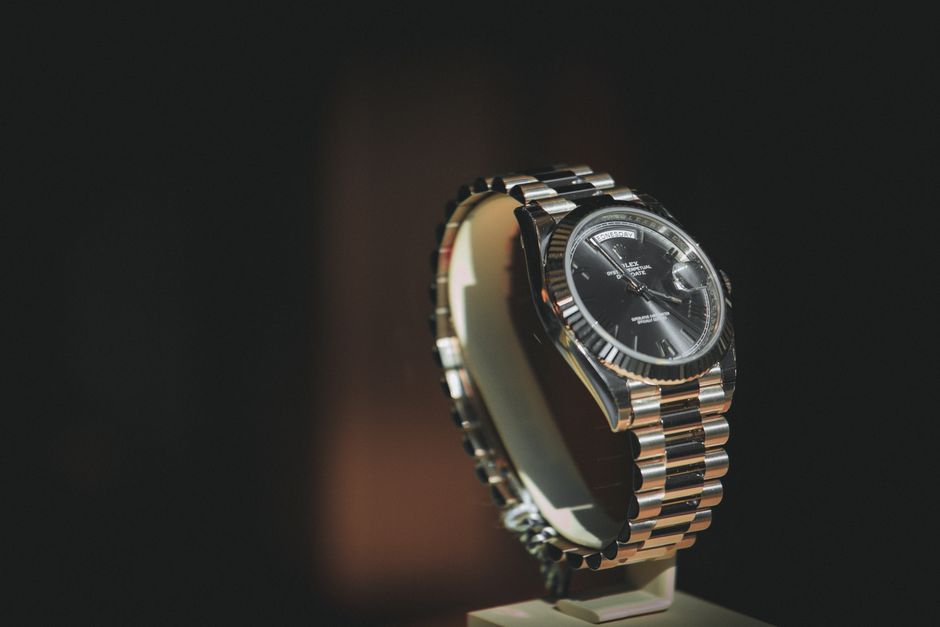
Although this example is an outlier—being so rare and historically important—it showcases how detailed configurations, including bezel material and finish, dramatically affect collector interest and ultimate value.
Valuation Tools and Methodology for GMT-Master II Bezel Pricing
Determining the impact of bezel material on GMT-Master II pricing involves a multifaceted approach using market-based valuation tools and evaluation inputs. Here is an overview of the main tools collectors, dealers, and appraisers use:

1. Market-Based Valuation Using Current Comparable Sales
This method involves analyzing recent sold prices of GMT-Master IIs with various bezel materials and configurations. Prices from reputable auction houses, dealer sales, and vetted resale marketplaces provide benchmarks that reflect real-time market sentiment.
2. Evaluation Inputs
- Reference Number: Different references may include different bezel materials or color combinations, which influence pricing.
- Dial and Bezel Configuration: Combinations such as Pepsi bezel (red/blue), Coke bezel (red/black), or Batman bezel (blue/black) affect desirability and prices distinctively.
- Production Years: Older models with discontinued bezel options generally command higher premiums due to finite availability.
- Completeness: Watches accompanied by original box and papers consistently earn a premium — often between 10-20% or more, depending on the market.
- Service History: Watches with a documented full service history and recent servicing tend to sustain or increase value, especially if the bezel remains original or is professionally maintained.
How Discontinuation Drives Finite Supply and Demand Surges
When Rolex discontinues a particular bezel style or material, it instantly creates a cap on supply. Over time, as collectors seek out these retired configurations, demand often increases. This phenomenon is especially prominent with iconic bezel types:
- Aluminum Bezels: Discontinued in favor of ceramic Cerachrom in the mid-2000s, aluminum bezels are prized for their vintage appeal and developing patina but are less durable.
- Cerachrom Ceramic Bezels: Introduced as a modern luxury upgrade, these bezels resist wear and maintain vibrant colors, appealing to collectors who prefer a contemporary look.
- Precious Metal Bezels: Gold or platinum bezels on the GMT-Master II models are rarer and typically made in limited runs, attracting buyers seeking exclusivity and flamboyance.
The interplay between aluminum and ceramic bezel values in the market is a prime indicator of how discontinuation impacts finitude and collectability.
Configuration Details: The Key Drivers of Price Swings
GMT-Master II pricing reacts sensitively to the precise bezel configuration. Variables include bezel colors, materials, and finishing details. Below is a comparison table illustrating justluxe typical price variances for popular bezel configurations based on recent market trends (prices approximate):
Bezel Configuration Material Typical Market Value (USD) Notes Pepsi (Red/Blue) Aluminum (Vintage) $18,000 - $35,000 Highly collectible; value rises with age and condition Batman (Blue/Black) Cerachrom Ceramic $15,000 - $25,000 Popular modern choice, excellent durability Coke (Red/Black) Aluminum (Vintage) $13,000 - $22,000 Less popular than Pepsi but rising interest Solid Gold Bezel 18K Yellow or White Gold $35,000 - $50,000+ Rarity and precious metal content add significant premium Pepsi Cerachrom Cerachrom Ceramic $18,000 - $30,000 Modern model with strong demand, often closes gap with vintageCompleteness and Service History: Premium Factors Beyond Bezel
Even the most exceptional bezel configuration can suffer a value drawback if the GMT-Master II lacks completeness or has an ambiguous service record. Collectors pay premiums when purchasing “full sets” that include original box, papers, hangtags, and accessories.
Highlights of these premium factors include:
- Box and Papers: Owning the original packaging and documentation can boost final sale prices by up to 20% compared to identical watches sold without paperwork.
- Originality: Bezel and dial originality heavily influence value. Replacement bezels, especially unofficial aftermarket parts, can decrease the value by thousands of dollars.
- Service History: Convincing provenance of authorized servicing can raise buyer confidence and enhance value. Conversely, undocumented repairs or replacements may lower price appreciation.
Conclusion: The Bezel Material Impact on GMT-Master II Valuation
In summary, bezel material is a critical determinant in shaping the market value of the Rolex GMT-Master II. Discontinued aluminum bezels hold strong appeal thanks to their vintage charm, yet modern Cerachrom ceramic options offer robustness and vibrancy attracting a newer generation of collectors. Precious metal bezels drive prices into a higher tier, appealing to those looking for exclusivity.
However, bezel material does not operate in isolation. Combined with other configuration details such as reference number, dial type, completeness with box and papers, production era, and service history, the bezel helps define the final market valuation. Collectors and sellers must take a market-based approach referencing current comparable sales to understand true bezel impact—a nuance that can mean the difference of thousands, or even millions, of dollars in exceptional cases.
Whether you’re a seasoned collector hunting a “safe-queen” or a newcomer entering the GMT-Master II market, keep in mind: the bezel is much more than a pretty face—it’s a cornerstone of value.